
All Categories
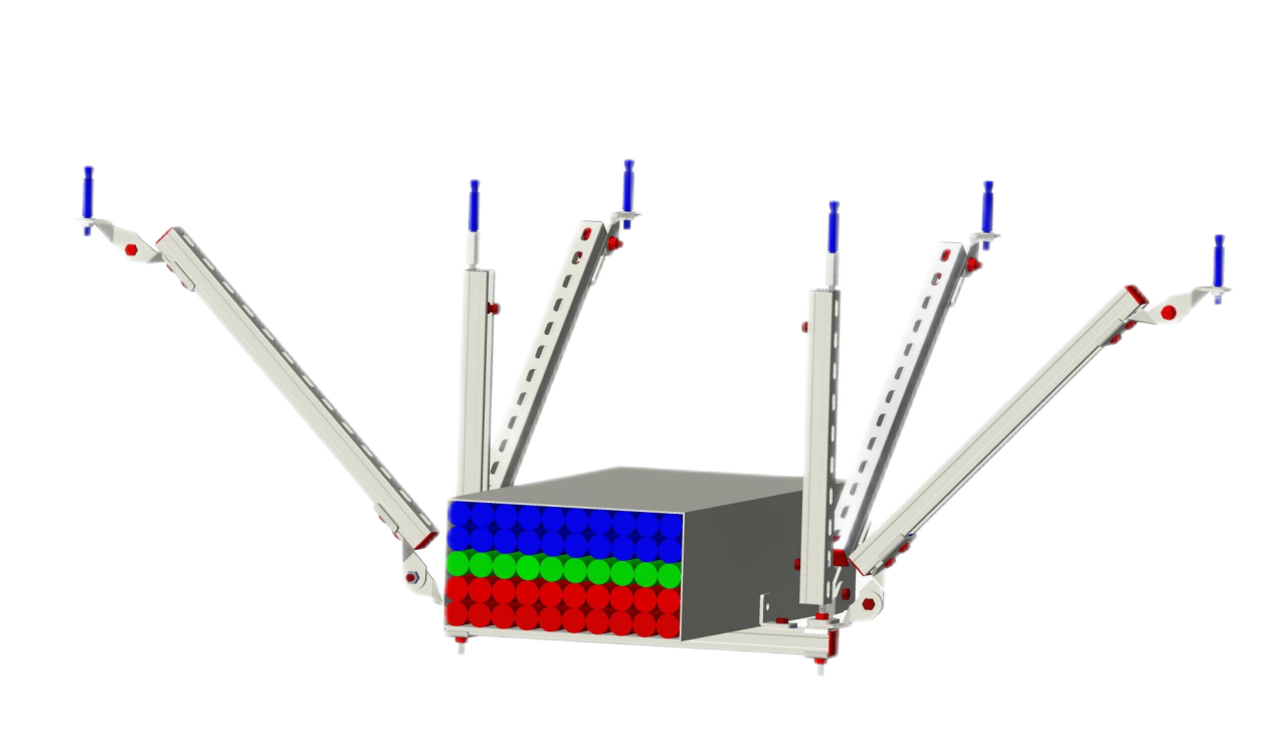
Cable Tray Side Longitudinal Seismic Bracing (T+L)
Seismic Bracing is a seismic support facility that is firmly connected to the building structure, with seismic force as the primary load. Its core function is to restrain the horizontal displacement of mechanical and electrical pipelines and equipment during an earthquake, preventing pipe detachment, collision, and rupture, thereby ensuring the functional continuity of lifeline systems. Definition (GB/T 37267-2018): A seismic support facility firmly connected to the building structure, consisting of anchor components, reinforced hanger rods, seismic connection components, and seismic diagonal braces. Product Overview: The lateral-longitudinal seismic support for ventilation ducts is a pipe support that incorporates both lateral and longitudinal seismic diagonal braces on the basis of the ventilation duct seismic bracing system, also known as a bidirectional seismic support for air ducts. It is suitable for duct systems requiring comprehensive seismic protection. Structural Composition: Includes two sets of seismic diagonal braces—lateral and longitudinal. Made of Q235B carbon structural steel, compliant with GB50981-2014 and CJ/T476-2015 standards. Connected with bolts without the need for welding, and can be installed using common tools for simple and convenient operation, accelerating construction progress, reducing installation costs, and requiring no post-installation maintenance. Certified by the National Building Materials Testing Center. Spacing Requirements: ≤9m (lateral spacing) ≤18m (longitudinal spacing). Core Function: Provides comprehensive resistance to horizontal seismic forces in both lateral and longitudinal directions. When the duct is subjected to lateral seismic forces, the diagonal braces provide lateral support to the duct, reducing the likelihood of swaying, and work in conjunction with the vertical members to effectively enhance stability, preventing the duct from falling during vibration. This ensures all-around safety of the duct system during an earthquake. Applicable Regions: New construction, renovation, and expansion projects in areas with seismic fortification intensity of 6 to 9 degrees. Application Scenarios: Rectangular ducts with a cross-sectional area ≥0.38㎡; circular ducts with a diameter ≥0.70m; pipes in boiler rooms, refrigeration machine rooms, and heat exchange stations; ventilation and air conditioning systems in important public buildings. Smoke exhaust ducts, emergency ventilation ducts, and related equipment.
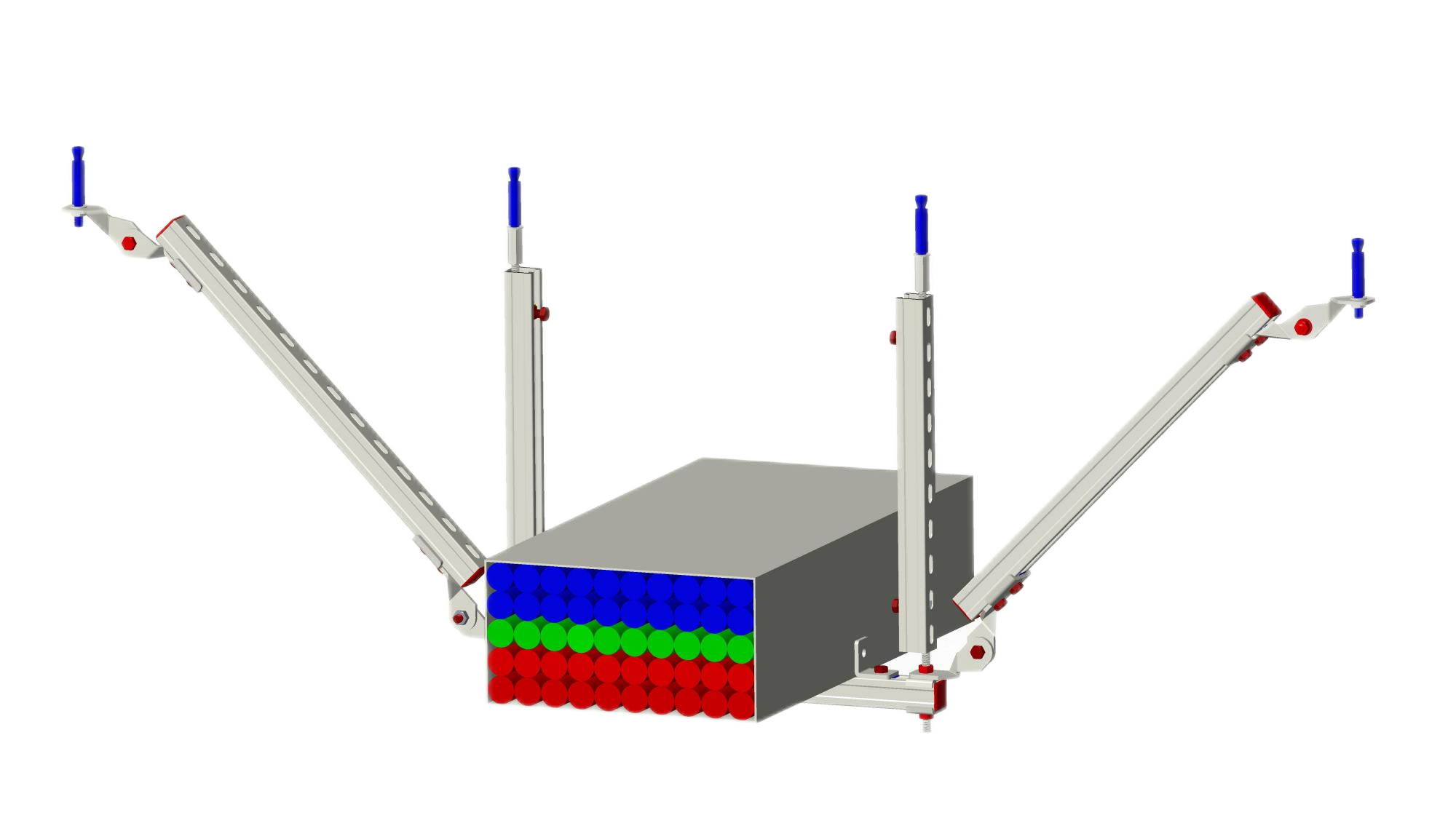
Cable Tray Lateral Seismic Brace (T)
Seismic Bracing is a seismic support facility that is firmly connected to the building structure, with seismic force as the primary load. Its core function is to restrain the horizontal displacement of mechanical and electrical pipelines and equipment during an earthquake, preventing pipe detachment, collision, and rupture, thereby ensuring the functional continuity of lifeline systems. Definition (GB/T 37267-2018): A seismic support facility firmly connected to the building structure, consisting of anchoring components, reinforced hanger rods, seismic connection components, and seismic diagonal braces. Product Overview: The cable tray lateral seismic brace is a lateral seismic support specifically designed for electrical cable facilities such as cable trays, cable ladder racks, cable troughs, and busways. The diagonal brace is arranged parallel to the cross-section of the tray to resist lateral horizontal seismic forces. Structural Composition: Comprised of anchoring components, reinforced hanger rods, seismic connection components, and seismic diagonal braces. The inner edges of the U-shaped channel steel must feature serrations with a tooth depth of no less than 0.9mm, and all accessory installations are achieved through mechanical interlocking. The surface of the bracket channel steel is treated with hot-dip galvanizing (zinc layer thickness no less than 60μm) to meet durability requirements. Spacing: ≤12m (lateral spacing) Core Function: To limit the lateral displacement of cable trays during earthquakes, control tray vibration, and transfer loads to the load-bearing structure. This prevents tray detachment and cable rupture, ensuring the normal operation of power supply and fire protection systems. Applicable Areas: New construction, renovation, and expansion projects in regions with seismic fortification intensity of 6 to 9 degrees. Application Scenarios: Electrical conduits with an inner diameter ≥60mm; cable ladder racks, cable troughs, and busways with a gravity load ≥150N/m; regions with seismic fortification intensity of 6 degrees or above; widely used in major national construction projects such as nuclear power plants, power plant renovations, high-speed railway construction, and airport expansions. For tray bottom widths ≤600mm, single-sided bracing is used; for tray bottom widths ≥800mm, double-sided bracing is used; longitudinal bracing is double-supported in all cases.
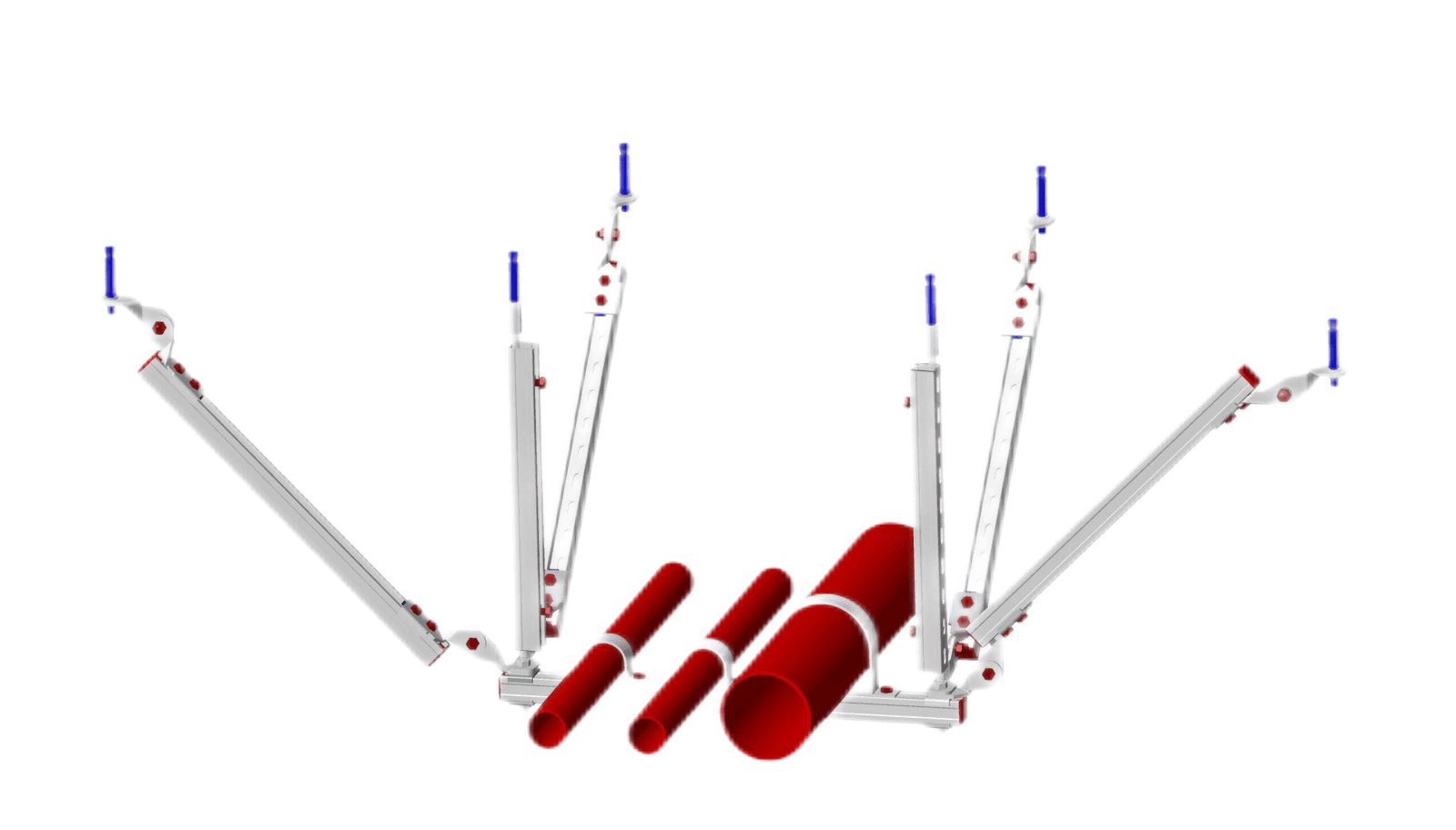
通风管道侧纵向抗震支架(T+L)
抗震支吊架(Seismic Bracing)是与建筑结构体牢固连接、以地震力为主要荷载的抗震支撑设施。其核心功能是在地震发生时,约束机电管线及设备的水平位移,防止管道脱落、碰撞、断裂,保障生命线系统的功能性延续。 定义(GB/T 37267-2018):由锚固体、加固吊杆、抗震连接构件及抗震斜撑组成的与建筑结构体牢固连接的抗震支撑设施。 产品概要:通风管道侧纵向抗震支架是在风管抗震支吊架基础上,同时设置侧向和纵向抗震斜撑的支吊架,又称风管双向抗震支架。适用于需要全面抗震保护的风管系统。 结构组成:包含侧向和纵向两组抗震斜撑。采用Q235B碳素结构钢,满足GB50981-2014和CJ/T476-2015标准。采用螺栓连接无需焊接,常用安装工具操作简单方便,可加快施工进度,节省施工费用,无需后期维护。具有国家建筑材料检测中心认证。 设置间距:≤9m(侧向间距)≤18m(纵向间距)。 核心功能:综合抵御侧向和纵向两个方向的水平地震力。当风管受到侧向方向的地震力时,斜杆能够对风管提供侧向支撑力,降低晃动的概率,配合竖杆有效提高稳定性,使风管在震动中不易出现掉落。保障风管系统在地震中的全方位安全。 适用区域:抗震设防烈度 6~9 度地区的新建、改建、扩建工程 应用场景:矩形截面面积≥0.38㎡的风管;圆形直径≥0.70m的风管;锅炉房、制冷机房、热交换站内的管道;重要公共建筑的通风空调系统。 防排烟风道、事故通风风道及相关设备。
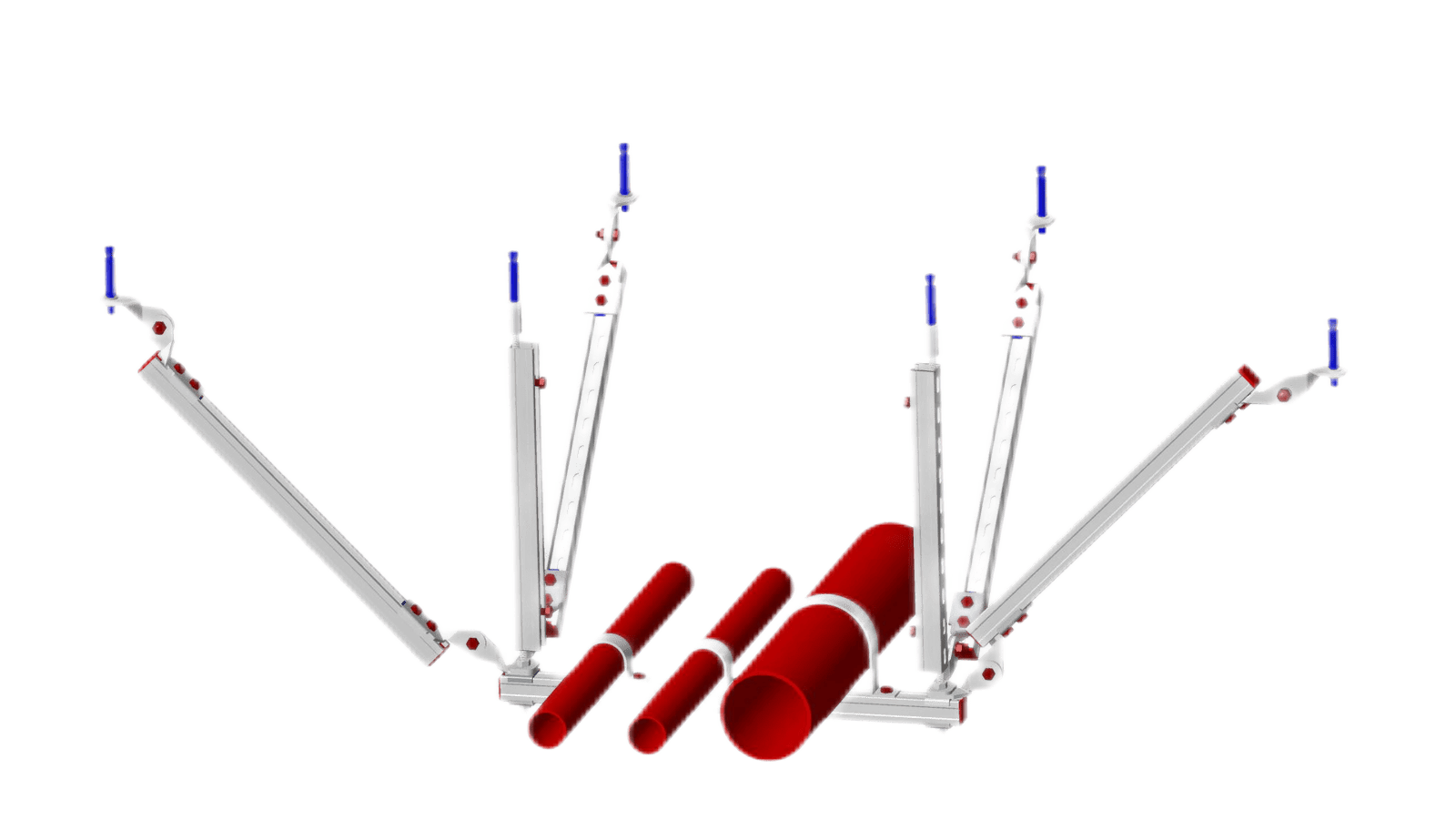
通风管道侧向抗震支架(T)
抗震支吊架(Seismic Bracing)是与建筑结构体牢固连接、以地震力为主要荷载的抗震支撑设施。其核心功能是在地震发生时,约束机电管线及设备的水平位移,防止管道脱落、碰撞、断裂,保障生命线系统的功能性延续。 定义(GB/T 37267-2018):由锚固体、加固吊杆、抗震连接构件及抗震斜撑组成的与建筑结构体牢固连接的抗震支撑设施。 产品概要:通风管道侧向抗震支架是专门用于风管系统(通风管道、防排烟风道、事故通风风道等)的侧向抗震支吊架。斜撑与风管横截面平行布置,抵御侧向水平地震力。将建筑内部附属机电设备(消防管道系统、通风与空调工程系统等)与建筑结构体牢固连接 结构组成:由锚固体、加固吊杆、抗震连接构件及抗震斜撑组成。Q235B碳素结构钢材质,热镀锌工艺高度防腐蚀性能。相关配件带有钢齿,有效抗剪、止滑、抗冲击,整个系统可靠连接,可承受荷载和地震荷载 设置间距:≤9m(侧向间距) 核心功能:以地震为主要荷载的抗震支撑设施,主要用来抵御水平和垂直方向地震力量的破坏。在地震中为通风空调系统提供充足保护,防止风管脱落造成次生灾害 适用区域:抗震设防烈度 6~9 度地区的新建、改建、扩建工程 应用场景:矩形截面面积≥0.38㎡的风管;圆形直径≥0.70m的风管;悬吊管道中重力大于1.8kN的设备。 防排烟风道、事故通风风道及相关设备。
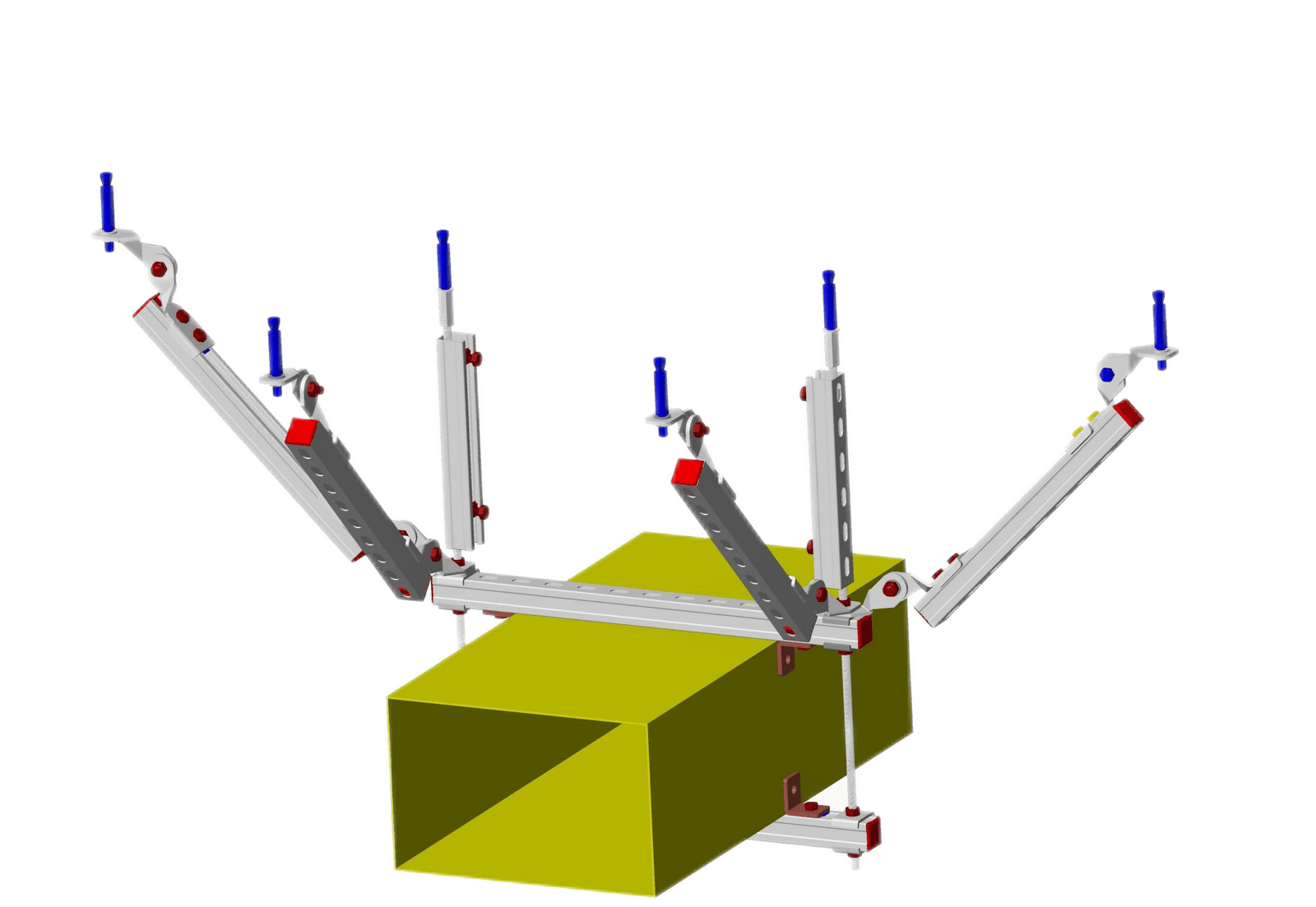
多管组合侧纵向抗震支架(T+L)
抗震支吊架(Seismic Bracing)是与建筑结构体牢固连接、以地震力为主要荷载的抗震支撑设施。其核心功能是在地震发生时,约束机电管线及设备的水平位移,防止管道脱落、碰撞、断裂,保障生命线系统的功能性延续。 定义(GB/T 37267-2018):由锚固体、加固吊杆、抗震连接构件及抗震斜撑组成的与建筑结构体牢固连接的抗震支撑设施。 产品概要:多管组合侧纵向抗震支架是在门型抗震支吊架基础上,同时设置侧向和纵向抗震斜撑的支吊架。综合了侧向支撑和纵向支撑两种形式,适用于机电管线较多、支架承重较大的情况 结构组成:由两根及以上承重吊架、横梁、侧向和纵向两组抗震斜撑组成。组成抗震支吊架的所有构件应采用成品构件,连接紧固件的构造应便于安装。侧向支撑和纵向支撑协同性和整体性好,能够提高抗震支架的抗震效果。 设置间距:≤12m(侧向间距)≤24m(纵向间距)。 核心功能:同时抵御侧向和纵向两个方向的水平地震力。可适用于水、电、风系统的单管或多管共用门型吊架。斜撑偏离中心线2.5°时不会影响其承载力 适用区域:抗震设防烈度 6~9 度地区的新建、改建、扩建工程 应用场景:管线高度集中的综合管廊、设备层;大型公共建筑的机电综合管线区域;核电站、发电厂改造、高铁建设、机场扩建等国家重点工程;锅炉房、制冷机房、热交换站内的管道;多根管道共用支吊架或管径≥300mm的单根管道 风管底宽≤2000,单侧撑,风管底宽>2000,双侧撑,纵向都为双支撑
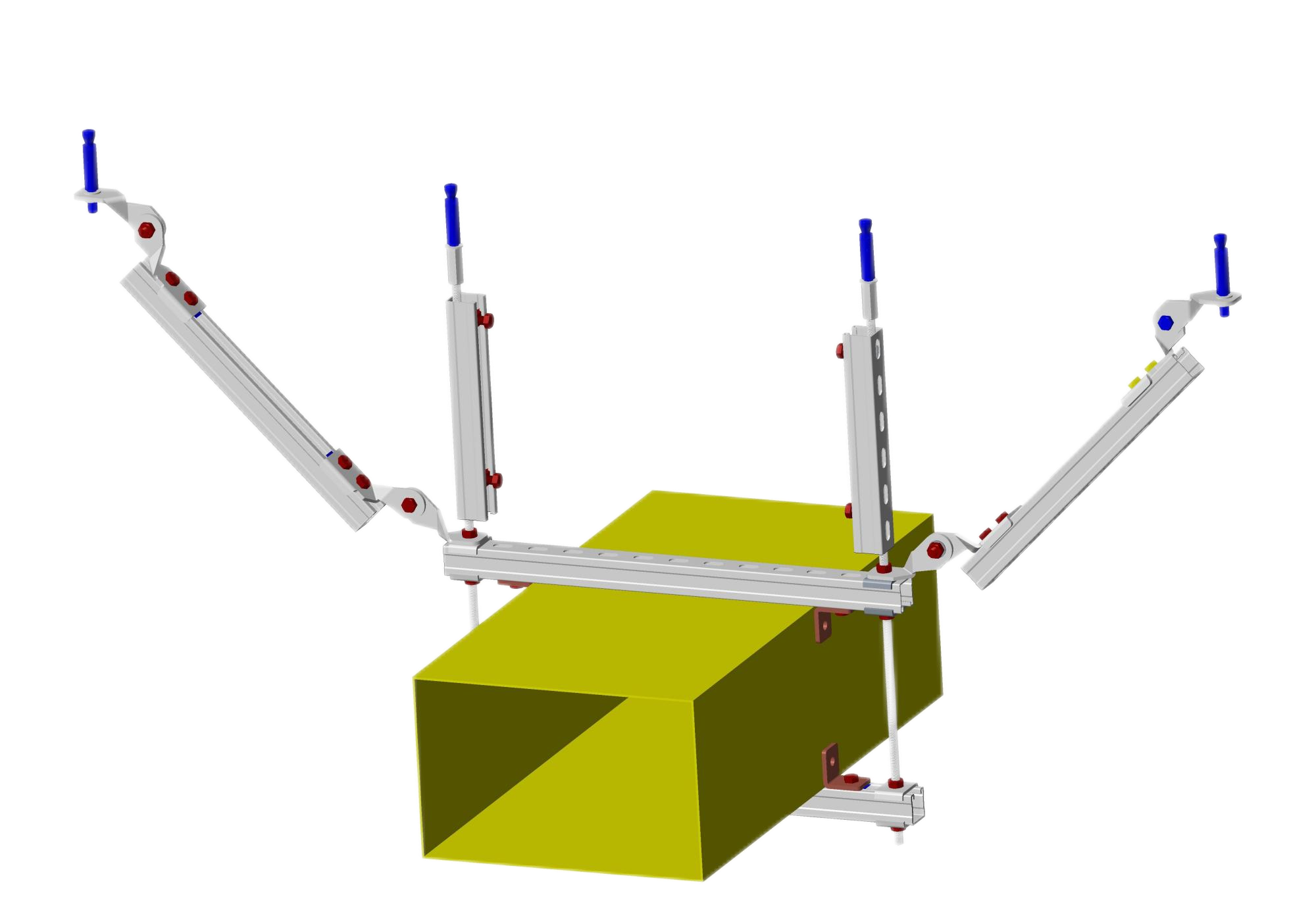
多管组合侧向抗震支架(T)
抗震支吊架(Seismic Bracing)是与建筑结构体牢固连接、以地震力为主要荷载的抗震支撑设施。其核心功能是在地震发生时,约束机电管线及设备的水平位移,防止管道脱落、碰撞、断裂,保障生命线系统的功能性延续。 定义(GB/T 37267-2018):由锚固体、加固吊杆、抗震连接构件及抗震斜撑组成的与建筑结构体牢固连接的抗震支撑设施。 产品概要:多管组合侧向抗震支架属于门型抗震支吊架范畴——由两根及以上承重吊架和横梁、抗震斜撑组成的抗震支吊架。多管组合侧向抗震支架即在门型支架基础上设置侧向抗震斜撑。 结构组成:由两根及以上承重吊架、横梁、抗震斜撑组成。采用冷压成型C型槽钢,截面尺寸可选41mm×21mm、41mm×41mm、41mm×52mm等规格。全预装配配件,安装角度可调节 设置间距:≤12m(侧向间距) 核心功能:同时承载多根管线(水管、风管、桥架等)的侧向抗震设防。侧向斜撑水平投影方向垂直于管道轴线,用以抵消垂直于管线方向的地震荷载,防止管线侧晃。是对建筑物铺设的管线提供抗震保护的重要部件 适用区域:抗震设防烈度 6~9 度地区的新建、改建、扩建工程 应用场景:多根管道并排敷设的管线综合区域;机电管线集中、空间有限的区域;锅炉房、制冷机房、热交换站等重要机房;多根管道共用支吊架或管径≥300mm的单根管道;消火栓、喷淋、给水、机房燃气灭火等系统。 风管底宽≤2000,单侧撑,风管底宽>2000,双侧撑,纵向都为双支撑
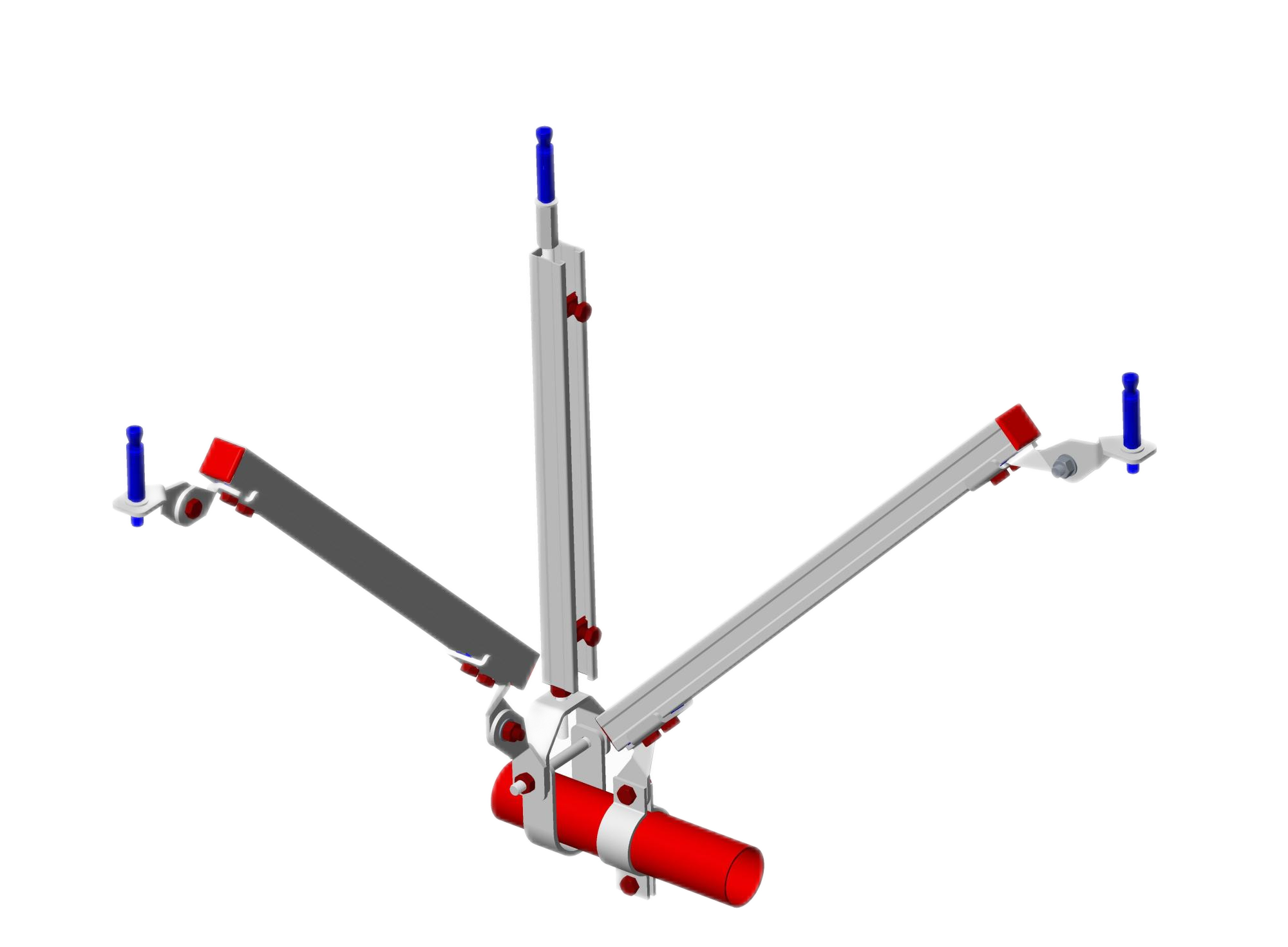
单管侧纵向抗震支架(T+L)
定义(GB/T 37267-2018):由锚固体、加固吊杆、抗震连接构件及抗震斜撑组成的与建筑结构体牢固连接的抗震支撑设施。 产品概要:单管侧纵向抗震支架是在单管抗震支吊架基础上,同时设置侧向和纵向抗震斜撑的支吊架,又称单管双向抗震支吊架。斜撑分别在侧向和纵向以45°安装,抵抗两个方向的地震水平荷载。
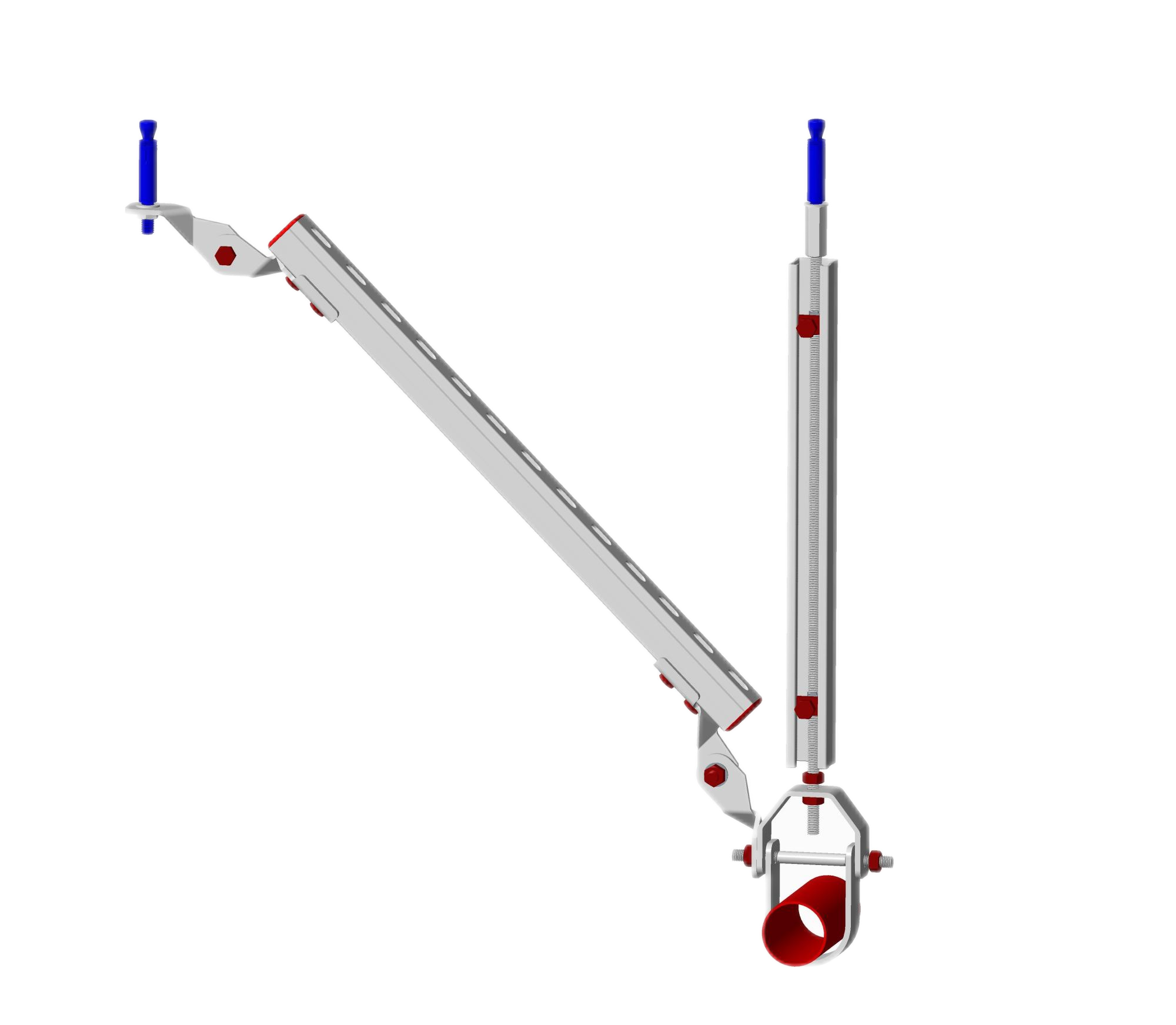
单管侧向抗震支架(T)
定义GB/T 37267-2018(建筑抗震支吊架通用技术条件):由锚固体、加固吊杆、抗震连接构件及抗震斜撑组成的与建筑结构体牢固连接的抗震支撑设施。 产品概要:单管侧向抗震支架是由一根承重吊架和抗震斜撑组成的抗震支吊架,斜撑与管道横截面平行布置,用以抵御侧向水平地震力作用。产品适用于单根管道(给排水管、消防管、空调水管等)的侧向抗震设防。