
电缆桥架抗震支架
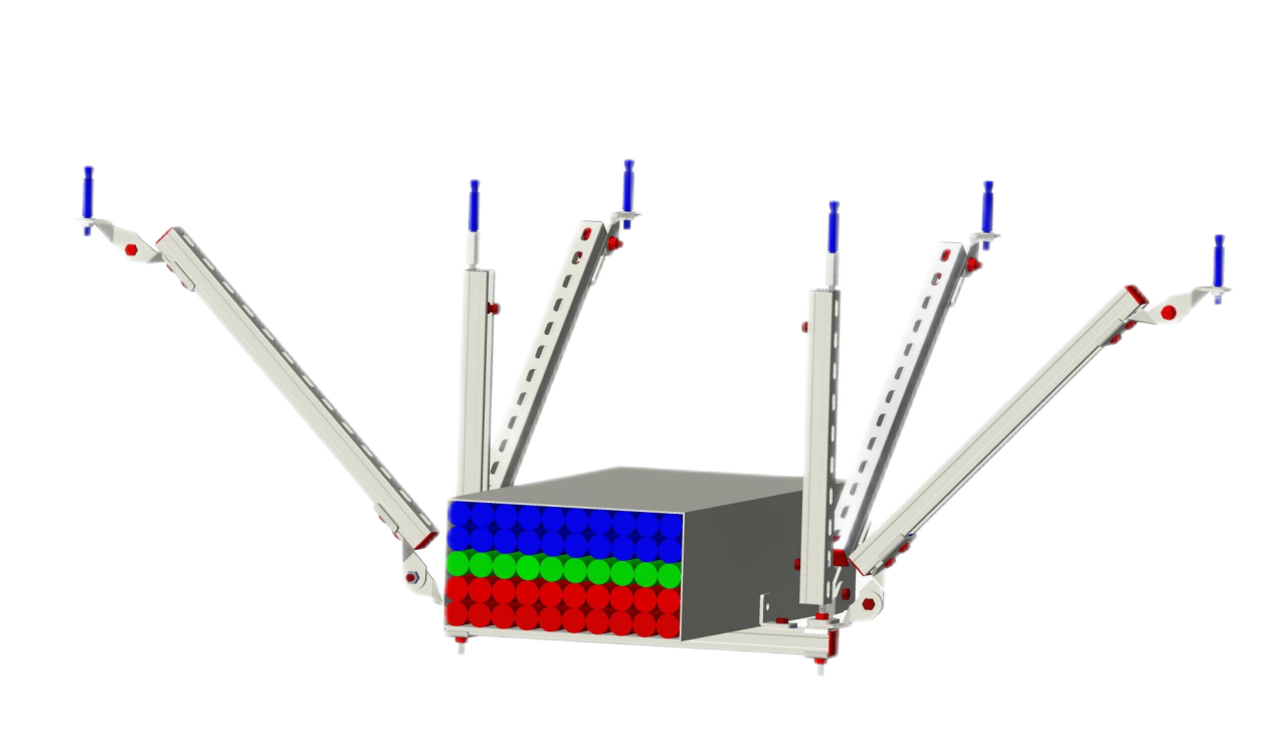
Cable Tray Side Longitudinal Seismic Bracing (T+L)
Seismic Bracing is a seismic support facility that is firmly connected to the building structure, with seismic force as the primary load. Its core function is to restrain the horizontal displacement of mechanical and electrical pipelines and equipment during an earthquake, preventing pipe detachment, collision, and rupture, thereby ensuring the functional continuity of lifeline systems. Definition (GB/T 37267-2018): A seismic support facility firmly connected to the building structure, consisting of anchor components, reinforced hanger rods, seismic connection components, and seismic diagonal braces. Product Overview: The lateral-longitudinal seismic support for ventilation ducts is a pipe support that incorporates both lateral and longitudinal seismic diagonal braces on the basis of the ventilation duct seismic bracing system, also known as a bidirectional seismic support for air ducts. It is suitable for duct systems requiring comprehensive seismic protection. Structural Composition: Includes two sets of seismic diagonal braces—lateral and longitudinal. Made of Q235B carbon structural steel, compliant with GB50981-2014 and CJ/T476-2015 standards. Connected with bolts without the need for welding, and can be installed using common tools for simple and convenient operation, accelerating construction progress, reducing installation costs, and requiring no post-installation maintenance. Certified by the National Building Materials Testing Center. Spacing Requirements: ≤9m (lateral spacing) ≤18m (longitudinal spacing). Core Function: Provides comprehensive resistance to horizontal seismic forces in both lateral and longitudinal directions. When the duct is subjected to lateral seismic forces, the diagonal braces provide lateral support to the duct, reducing the likelihood of swaying, and work in conjunction with the vertical members to effectively enhance stability, preventing the duct from falling during vibration. This ensures all-around safety of the duct system during an earthquake. Applicable Regions: New construction, renovation, and expansion projects in areas with seismic fortification intensity of 6 to 9 degrees. Application Scenarios: Rectangular ducts with a cross-sectional area ≥0.38㎡; circular ducts with a diameter ≥0.70m; pipes in boiler rooms, refrigeration machine rooms, and heat exchange stations; ventilation and air conditioning systems in important public buildings. Smoke exhaust ducts, emergency ventilation ducts, and related equipment.
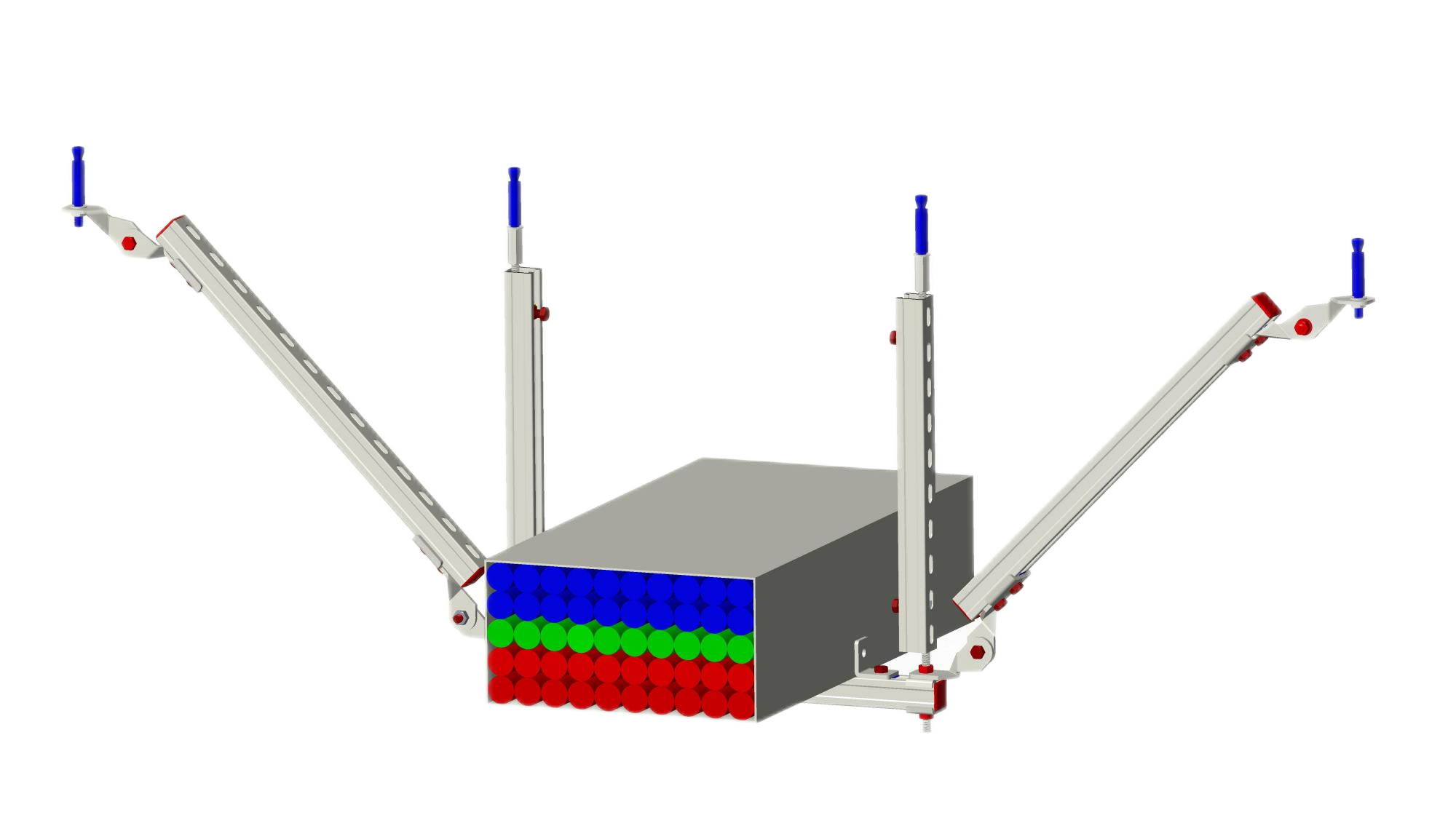
Cable Tray Lateral Seismic Brace (T)
Seismic Bracing is a seismic support facility that is firmly connected to the building structure, with seismic force as the primary load. Its core function is to restrain the horizontal displacement of mechanical and electrical pipelines and equipment during an earthquake, preventing pipe detachment, collision, and rupture, thereby ensuring the functional continuity of lifeline systems. Definition (GB/T 37267-2018): A seismic support facility firmly connected to the building structure, consisting of anchoring components, reinforced hanger rods, seismic connection components, and seismic diagonal braces. Product Overview: The cable tray lateral seismic brace is a lateral seismic support specifically designed for electrical cable facilities such as cable trays, cable ladder racks, cable troughs, and busways. The diagonal brace is arranged parallel to the cross-section of the tray to resist lateral horizontal seismic forces. Structural Composition: Comprised of anchoring components, reinforced hanger rods, seismic connection components, and seismic diagonal braces. The inner edges of the U-shaped channel steel must feature serrations with a tooth depth of no less than 0.9mm, and all accessory installations are achieved through mechanical interlocking. The surface of the bracket channel steel is treated with hot-dip galvanizing (zinc layer thickness no less than 60μm) to meet durability requirements. Spacing: ≤12m (lateral spacing) Core Function: To limit the lateral displacement of cable trays during earthquakes, control tray vibration, and transfer loads to the load-bearing structure. This prevents tray detachment and cable rupture, ensuring the normal operation of power supply and fire protection systems. Applicable Areas: New construction, renovation, and expansion projects in regions with seismic fortification intensity of 6 to 9 degrees. Application Scenarios: Electrical conduits with an inner diameter ≥60mm; cable ladder racks, cable troughs, and busways with a gravity load ≥150N/m; regions with seismic fortification intensity of 6 degrees or above; widely used in major national construction projects such as nuclear power plants, power plant renovations, high-speed railway construction, and airport expansions. For tray bottom widths ≤600mm, single-sided bracing is used; for tray bottom widths ≥800mm, double-sided bracing is used; longitudinal bracing is double-supported in all cases.